Too much water. Not enough water. For many gardeners, getting the balance right can be one of the biggest challenges to growing healthy plants. Inconsistent watering can lead to stressed plants, poor growth, reduced harvests and, in some cases, plant loss altogether.
That's why more gardeners are turning to self-watering planters as a simple, reliable way to keep plants thriving with less effort.
Backyard Farmer's Self-Watering Planter and Raised Garden Bed Insert takes the guesswork out of watering. Featuring a built-in wicking system that delivers moisture directly to plant roots and an easy-to-read water level indicator, it helps prevent both over- and under-watering. The result? Stronger, healthier plants and more successful growing.
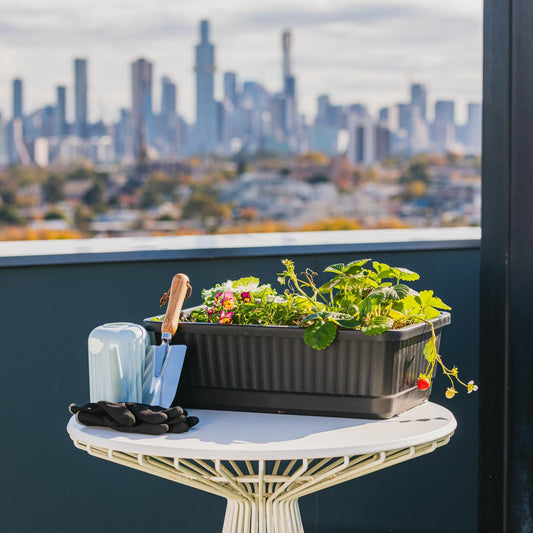
Designed for versatility, it can be used as a lightweight standalone planter or as an insert within compatible raised garden beds, making it easy to create productive growing spaces on patios, balconies, courtyards and small backyards.
What is a Self-Watering Planter and How Does it Work?

The planter features a water reservoir at its base, which stores water below the soil surface. A built-in wicking system draws water upward into the soil, delivering moisture directly to the plant's root zone. Plants then take up the water they need, when they need it.
A water level indicator clearly shows how much water remains in the reservoir, so you'll know exactly when it's time to top up.
The planter also includes a removable drainage plug, giving you the flexibility to use it outdoors or in covered areas. When the plug is removed, excess water can drain through the overflow outlet, helping prevent waterlogging during heavy rain or accidental overfilling.
Ways to Use It
Designed with flexibility in mind, the Self-Watering Planter and Raised Garden Bed Insert can be used as either a standalone planter or integrated into a raised garden bed system.
As a Standalone Planter
Used on its own, the planter is perfect for creating a portable salad bar or herb garden close to the kitchen. Fill it with fast-growing leafy greens such as lettuce, silverbeet and kale, or grow everyday favourites like parsley, coriander and basil for convenient harvesting.
It's also ideal for adding colour to patios, balconies and courtyards with seasonal flowering annuals such as petunias, pansies and marigolds.
Need more growing space? Simply place multiple planters side by side to create a larger productive garden area.
In Raised Garden Beds
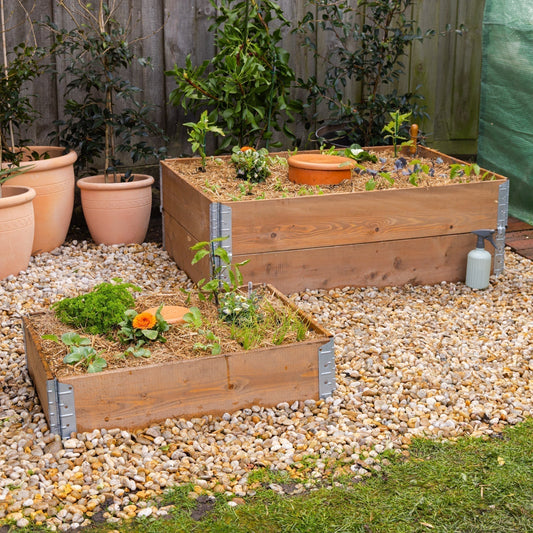
The insert has been specifically designed to fit Backyard Farmer raised garden beds. Simply slot multiple inserts together within the frame to create a larger self-watering growing system.
Compatibility
- Two planters fit inside a two-layer Backyard Farmer 80 x 60cm Brown Timber Garden Bed (Bunnings I/N: 0817159, sold separately)
- Four planters fit inside a two-layer Backyard Farmer 120 x 80cm Brown Timber Garden Bed (Bunnings I/N: 0817155, sold separately)
- Also compatible with a range of standard raised garden beds, including many available at Bunnings
Self-Watering Planter Dimensions: 55 x 26 x 18cm
Why Self-Watering Systems Improve Plant Success
Consistent access to water is one of the most important factors in growing healthy, productive plants. Self-watering systems help eliminate the stress caused by fluctuating moisture levels and reduce the risk of plants drying out between waterings.
By encouraging roots to grow deeper in search of water, self-watering systems can also promote stronger root development, improved nutrient uptake and greater resilience during hot weather.
The result is healthier plants, lusher foliage and more productive harvests — all while reducing the time and effort spent watering.
Setup and Maintenance Tips
Getting started is simple.
Begin by removing the pipe, water indicator tube and float from beneath the plastic tray. Place the reservoir tray into the planter frame, ensuring it sits flat and securely.
If using the planter as a standalone unit, attach the shorter pipe to the water level indicator and thread the float through the hole at the base of the indicator. For raised garden bed installations, use the longer pipe to provide additional clearance above the garden bed frame.
Insert the pipe and float assembly into the opening located in the corner of the reservoir tray, then clip the water level indicator into position. Check that the float moves freely and remains correctly seated.
Fill the planter with quality potting mix and your chosen plants. To fill the reservoir, pour water into the indicator opening. Allow a few seconds between pours so the water level indicator can stabilise before adding more water.
Once the reservoir is full, the self-watering system will begin supplying moisture to the soil below.
During the establishment phase, continue watering seedlings and young plants directly from above until their roots become well developed. After that, simply top up the reservoir as needed, using the water level indicator as your guide.
For best performance:
- Keep the reservoir topped up
- Ensure the water level indicator moves freely
- Check that the wicking zone remains in contact with the soil
- Remove the drainage plug when using outdoors to allow excess water to escape
- Occasionally flush the reservoir and check that the overflow outlet remains clear
With only minimal maintenance required, the system does most of the work for you, making watering more efficient, more consistent and far less time-consuming.
Grow More with Less Effort
Whether you're growing fresh herbs on a balcony, harvesting leafy greens from a courtyard or building a productive raised-bed garden, Backyard Farmer's Self-Watering Planter and Raised Garden Bed Insert makes it easier to achieve great results.
With less guesswork, less watering and healthier plants, you'll spend less time maintaining your garden and more time enjoying it.