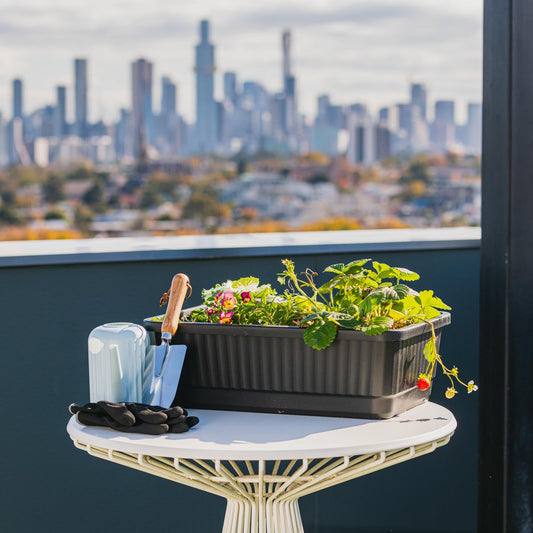
Say Hello to Self-Watering Simplicity: The Easy Way to Grow a Healthier Garden
Too much water. Not enough water. For many gardeners, getting the balance right can be one of the biggest challenges...
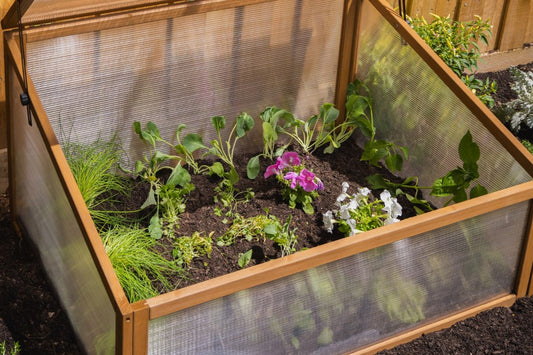
Good neighbours aren't just for people! Discover the art of companion planting, with tips on pairing vegetables, herbs and flowers for a thriving vegie patch, along with clever ways to make the most of your growing space.
Gardeners have long shared tips about which plants make good neighbours. You might have heard that planting basil alongside tomatoes can attract pollinators, or that nasturtiums grown near vegetables can draw aphids away from your crops. These are examples of companion planting – the idea that certain plants can benefit from growing alongside one another, much like good friends or garden buddies.
There are several ways plants can help each other out. Flowering varieties can attract pollinators and beneficial insects, including those that feed on common garden pests. Others provide useful ground cover, make better use of growing space or, in some cases, help suppress particular pests. Not every popular pairing delivers the promised results, though.
Gardeners have been experimenting with plant combinations for generations, and plenty of these ideas have found their way into gardening folklore. Some plant pairings have a good basis, while others are a bit more questionable. Rather than taking every combination as gospel, do a little research and see what works best in your own garden. After all, what thrives in one garden might not do quite as well in another, so don't be afraid to experiment!

There are plenty of vegetables, herbs and flowers that make good garden companions. Here are some combinations worth trying.
| Main Crop | Good Companion Crops | Why They Work |
| Tomatoes | Basil, parsley, chives, marigolds | Herbs and flowers attract beneficial insects, while smaller plants make use of surrounding space. |
| Carrots | Lettuce, spring onions, chives | Different growth habits help make efficient use of garden space. |
| Cucumbers | Dill, nasturtiums, radishes | Flowering dill attracts beneficial insects, while nasturtiums provide ground cover. |
| Beans | Radishes, carrots, lettuce | Different root depths and growth habits help share the available space. |
| Zucchini | Nasturtiums, marigolds | Flowers attract pollinators and beneficial insects. |
| Brassicas (broccoli, cabbage) | Dill, coriander, lettuce | Flowering herbs attract beneficial insects, while lettuce makes use of gaps between plants. |
A few combinations to avoid:
• Keep fennel away from most vegetables, as it can inhibit the growth of neighbouring plants.
• Rotate crops between beds each season to help reduce the build-up of pests and diseases in the soil. For example, avoid planting potatoes in a bed that has just grown tomatoes, as they belong to the same plant family and share several pests and diseases.
Companion planting tip: In nature, plants rarely grow in neat rows or as a single crop. Natural ecosystems are made up of a diverse mix of plants, insects and other organisms, all playing a part in maintaining balance. You can bring a little of this diversity into your own garden by mixing things up. Rather than growing large blocks of the same vegetable, try planting a variety of herbs, flowers and ornamental plants alongside your vegetables and fruit trees. This can make it harder for some pests to locate their favourite host plants while providing food and shelter for beneficial insects.
Companion planting is particularly useful when you're growing vegetables in raised garden beds or smaller outdoor spaces, where you want to make the most of every square centimetre.
Here are four things to consider:
You don't need a big backyard to give companion planting a go. With Backyard Farmer's range of growing solutions, you can grow fresh food even in a small space.

With its generous growing area, self-watering system and 25L water reservoir, Georgie is a great option for growing a selection of vegetables and herbs together.
For January planting in a temperate Australian climate, try this combination:
• 1 compact growing tomato plant positioned towards the back.
• 1 basil plant alongside the tomato.
• 2 loose-leaf lettuce plants towards the front.
• 8–10 radishes, sown in small batches over a few weeks.
• 1 compact marigold to attract beneficial insects.
The tomato and basil provide a longer harvest, while lettuce leaves can be picked as needed and radishes are ready in around 3–5 weeks. Sow a few more radish seeds every fortnight to extend your harvest.
These plants appreciate regular moisture, making them a practical combination for Georgie's self-watering system. Water new plants from above while their roots establish, then keep the reservoir topped up as needed.

If you're short on space, Lula is a handy way to grow microgreens and raise seedlings for your larger vegetable garden. Its compact benchtop design, self-watering reservoir and adjustable airflow make it ideal for getting quick-growing greens started.
Try sowing a small batch of radish or broccoli microgreens for an early harvest, then use the space to raise lettuce or basil seedlings ready to transplant into Georgie or another raised garden bed.
Remember to remove Lula's cover once seedlings are established to prevent excessive humidity.
You don't need to get too complicated when starting a companion planting garden. Begin with a few vegetables you enjoy eating, add some herbs or flowering plants and see how they grow together.
Keep these simple tips in mind:
• Start small and choose two or three compatible plants.
• Check the recommended spacing on seed packets and plant labels.
• Keep a note of what grows well together and what you'd change next time.
• Sow quick-growing crops regularly to keep your harvests coming.
• Check your local planting calendar before choosing what to grow.
Most importantly, enjoy experimenting and discovering what works in your own garden.
Ready to grow your own? Explore Backyard Farmer's raised garden beds and find the right growing solution for your space.